
Psyllium: Soluble fiber with health effects
Psyllium is a natural source of soluble dietary fiber derived from the husks of Plantago ovata seeds. When mixed with water, it forms a gel-like substance in the gut that influences digestion and nutrient absorption. Its physical properties are associated with benefits for bowel regularity, cholesterol management, blood glucose control and satiety.
At a glance
- Psyllium is a soluble dietary fiber from Plantago ovata seed husks.
- It forms a gel in the gut that influences digestion and stool consistency.
- Regular intake is linked with cholesterol reduction and blood glucose moderation.
- Psyllium may promote appetite regulation and satiety by slowing digestion.
What is psyllium?
Psyllium is obtained from the outer husk of Plantago ovata seeds. It consists primarily of soluble fiber, which absorbs water and expands in the gastrointestinal tract. This water-binding capacity gives psyllium its characteristic gel-forming properties.
Explore Further:
How psyllium works in the digestive system
When consumed with adequate fluids, psyllium increases intestinal viscosity and stool bulk. This supports normal bowel movements and can contribute to improved stool consistency.
Its gel formation also slows the movement of nutrients through the digestive tract, influencing metabolic responses after meals.
Cholesterol and heart health
Psyllium’s soluble fiber can bind bile acids in the intestine, promoting their excretion. This process encourages the body to use circulating cholesterol to produce new bile acids, which may result in reduced blood LDL-cholesterol levels.
Lowering LDL-cholesterol is recognized as a factor associated with reduced cardiovascular risk.
Blood glucose and satiety
By slowing carbohydrate absorption, psyllium helps moderate post-meal blood glucose and insulin responses. This effect is linked to its gel-forming properties in the digestive tract.
Conclusion
Psyllium is a soluble dietary fiber known for its gel-forming properties in the digestive tract. Through its physical effects, it supports bowel regularity and is associated with cholesterol reduction and moderated post-meal glucose responses. When consumed with adequate fluids, it can contribute to a balanced dietary fiber intake.

Prebiotic fibers
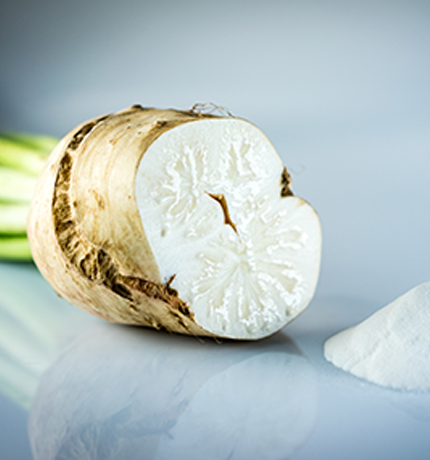
Inulin
Inulin is a soluble dietary fiber naturally found in various fruits and vegetables, particularly abundant in chicory root. It acts as a prebiotic, selectively nourishing beneficial gut bacteria and supporting overall health.
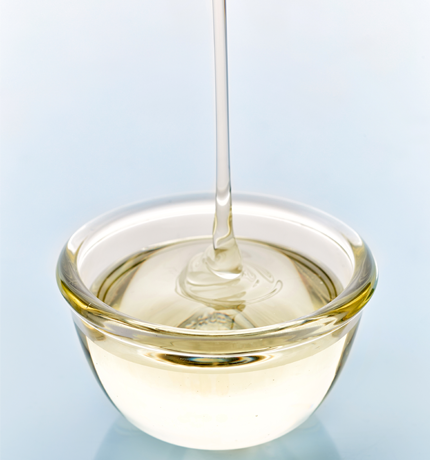
Oligofructose
Oligofructose (Fructo-oligosaccharide or FOS), a short-chain form of inulin, is a prebiotic fiber derived from chicory root. It’s commonly added to foods and supplements for its health benefits and sugar replacement.
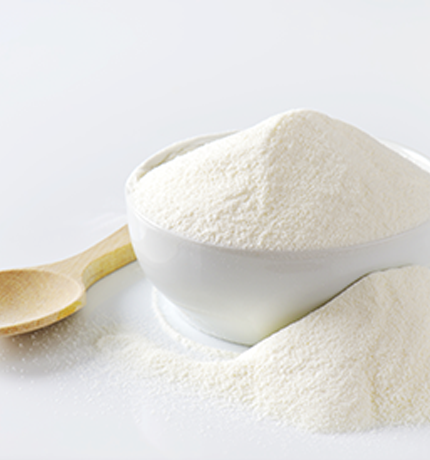
Galacto-oligosaccharide
Galacto-oligosaccharide (GOS) is a prebiotic fiber produced from lactose. It is commonly used in infant formula, dairy products and supplements to support health.
Do you want more information about Psyllium?