
The benefits of inulin
Inulin is a natural prebiotic fiber that nourishes beneficial gut bacteria and supports digestive health. Derived mainly from chicory root, it is used in a range of food products. By promoting a balanced microbiome, inulin plays a role in overall well-being.
At a glance
- Inulin is a soluble prebiotic fiber derived mainly from chicory root.
- It passes through digestion intact and nourishes selectively beneficial gut bacteria.
- In the colon, it is fermented into short-chain fatty acids associated with health effects.
- It supports a balanced gut microbiome, digestive health and beyond.
What is inulin?
Inulin is a naturally occurring prebiotic fiber that belongs to a group of carbohydrates known as fructans. It consists of chains of fructose molecules and is classified as a soluble dietary fiber.
Unlike many other carbohydrates, inulin is not digested in the small intestine. Instead, it reaches the large intestine intact, where it becomes available to beneficial gut bacteria. This unique characteristic is what gives inulin its key prebiotic properties.
Explore Further:
A fiber with ancient roots
Inulin-containing plants have been part of the human diet for centuries. Traditional plant-based diets provided significantly higher amounts of fermentable fibers compared to modern Western diets.
This historical perspective highlights that inulin is not a new ingredient, but a natural component of long-standing dietary patterns that supported the gut microbiota.
Natural sources of inulin
Inulin occurs naturally in many plant foods. Chicory root is one of the richest sources and is widely used to obtain inulin for food use. Other natural sources include onions, garlic, leeks, asparagus and Jerusalem artichokes.
Because chicory root contains particularly high concentrations, it has become the primary source for inulin used in foods today.
How inulin supports the gut
When inulin reaches the colon, it is selectively used by beneficial bacteria such as bifidobacteria. Through fermentation, these bacteria grow and become more important.
This selective stimulation of beneficial microorganisms is one of the defining features of prebiotic fibers. The changes in gut microbiota composition are associated with positive health effects.
Fermentation of inulin also produces short-chain fatty acids that play a key role in maintaining normal gut function and overall well-being.
Health benefits of inulin
Over the past decades, numerous scientific studies have investigated the physiological effects of chicory root inulin. Emerging research also shows the impact prebiotics have via the gut-brain axis. Our gut and brain are deeply connected, influencing everything from digestion to mood. Science confirms that prebiotic chicory root fiber (inulin and oligofructose) nourish the gut microbiota, leading to the production of beneficial compounds, such as short-chain fatty acids that impact not only gut health but also the nervous, immune and hormone system. By supporting this vital connection, inulin helps enhance overall well-being beyond the digestive system.
- Gut health
- Immune function
- Metabolic health
- Mood
Inulin in the diet
In addition to being naturally present in vegetables, inulin is also added to various foods to increase their fiber content. It can be found in different food categories such as dairy items, cereal-based foods and baked goods.
A word on terminology
Inulin is closely related to shorter-chain fructans such as oligofructose, also known as fructo-oligosaccharides (FOS). You can learn more about them here.
Conclusion
Inulin is a naturally occurring prebiotic fiber that has been part of the human diet for centuries. By reaching the large intestine intact and selectively nourishing beneficial gut bacteria, it supports a balanced microbiome and normal digestive function. By increasing health-promoting bacteria that produce beneficial metabolites, inulin contributes to gut health and is associated with broader physiological effects. Including inulin as part of a fiber-rich diet can help support overall well-being.
References
van Loo J, Coussement P, Leenheer L de et al. (1995) On the presence of inulin and oligofructose as natural ingredients in the western diet. Crit Rev Food Sci Nutr 35(6): 525–552.
Other prebiotic fibers
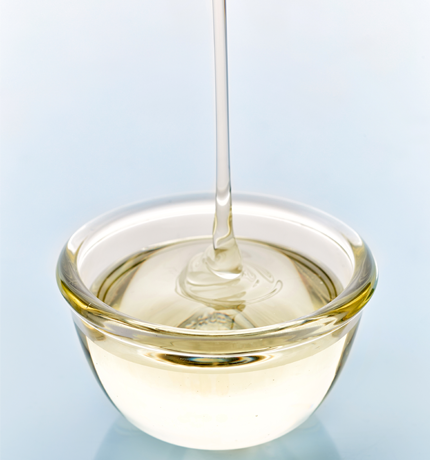
Oligofructose
Oligofructose (Fructo-oligosaccharide or FOS), a short-chain form of inulin, is a prebiotic fiber derived from chicory root. It’s commonly added to foods and supplements for its health benefits and sugar replacement.
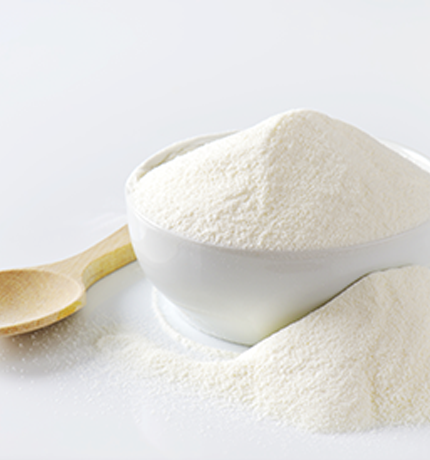
Galacto-oligosaccharide
Galacto-oligosaccharide (GOS) is a prebiotic fiber produced from lactose.
It is commonly used in infant formula, dairy products and supplements to support health.

Please feel free to contact us for further information about inulin.