
Beta-glucans – soluble fibers with recognized health effects
Beta-glucans are soluble dietary fibers found naturally in barley and oats. Their ability to form a viscous gel in the digestive tract influences nutrient absorption and metabolic responses. Extensive research has documented their role in cholesterol and blood glucose regulation.
At a glance
- Beta-glucans are soluble dietary fibers found in barley and oats.
- They form a viscous gel in the small intestine.
- Clinical evidence supports their role in cholesterol reduction.
- They also help moderate post-meal blood glucose responses.
What are beta-glucans?
Beta-glucans are naturally occurring soluble fibers composed of glucose molecules linked by beta-glycosidic bonds. They are present in barley, oats and certain other plant and fungal sources. Barley and oat beta-glucans are the most extensively studied forms in human nutrition.
Unlike non-viscous fibers, beta-glucans have the ability to absorb water and form a gel-like structure in the digestive tract.
Explore Further:
How beta-glucans work
When consumed, beta-glucans increase the viscosity of intestinal contents. This gel formation slows gastric emptying and delays the absorption of nutrients such as carbohydrates and fats.
These physical properties explain many of their physiological effects, particularly in relation to cholesterol metabolism and blood glucose regulation.
Cholesterol reduction and heart health
A substantial body of clinical evidence demonstrates that consuming beta-glucans from barley or oats can reduce LDL (“bad”) cholesterol levels. By binding bile acids in the intestine, beta-glucans promote their excretion. The body then draws on circulating cholesterol to produce new bile acids, resulting in lower LDL concentrations.
Research shows that a daily consumption of 3 g of barley beta-glucans reduces blood LDL-cholesterol. Lowering LDL-cholesterol is a recognized factor in reducing the risk of coronary heart disease.
Blood glucose regulation
Beta-glucans also contribute to reduced post-meal blood glucose and insulin responses. The gel-forming effect slows carbohydrate digestion and glucose absorption, resulting in a more gradual rise in blood sugar.
This makes beta-glucans relevant in dietary approaches for glycemic management.
Appetite regulation and satiety
Beyond their effects on cholesterol and blood glucose, beta-glucans have been shown to influence appetite regulation. Due to their gel-forming properties, beta-glucans increase the viscosity of food in the gastrointestinal tract. This slows gastric emptying and nutrient absorption, leading to a more gradual post-meal response.
Clinical studies indicate that consuming sufficient amounts of barley beta-glucans (≥ 3 g per serving) can increase feelings of fullness and satiety shortly after a meal. By promoting stronger appetite sensations, beta-glucans may help support dietary strategies aimed at weight management.
Dietary sources of beta-glucans
The richest dietary sources of beta-glucans are:
- Barley
- Oats
Regular consumption of these whole grains provides beta-glucan intake consistent with recognized health effects.
Conclusion
Beta-glucans are well-studied soluble dietary fibers found primarily in barley and oats. Through their gel-forming properties in the digestive tract, they support cholesterol reduction and balanced blood glucose responses. Including beta-glucan-rich foods as part of a balanced diet contributes to cardiovascular and metabolic health.
References
Nakashima et al. (2018) J Nutr Sci Vitaminol 64: 8-17.
AbuMweis et al. (2016) Journal of Functional Foods 27:329–342.

Prebiotic fibers
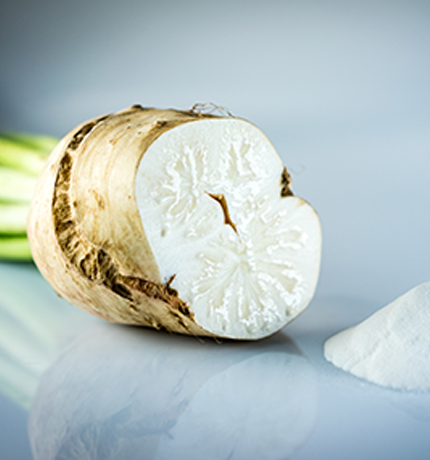
Inulin
Inulin is a soluble dietary fiber naturally found in various fruits and vegetables, particularly abundant in chicory root. It acts as a prebiotic, selectively nourishing beneficial gut bacteria and supporting overall health.

Oligofructose
Oligofructose (Fructo-oligosaccharide or FOS), a short-chain form of inulin, is a prebiotic fiber derived from chicory root. It’s commonly added to foods and supplements for its health benefits and sugar replacement.
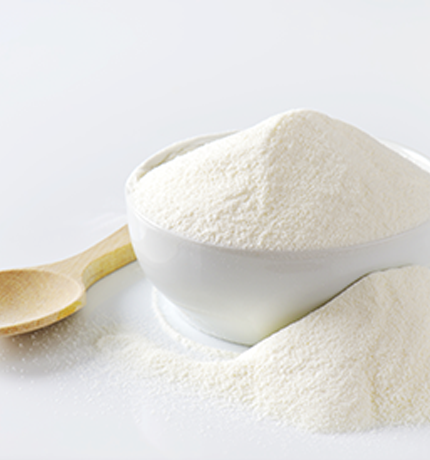
Galacto-oligosaccharide
Galacto-oligosaccharide (GOS) is a prebiotic fiber produced from lactose. It is commonly used in infant formula, dairy products and supplements to support health.
Do you want more information about Beta-Glucans?