
Gut health and its influence on key organs
Research on prebiotic fibers continues to grow, revealing their influence beyond traditional gut health. Innovative studies are exploring connections between prebiotics, the microbiota and broader areas such as metabolism, immune responses and the gut-brain axis.
At a glance
- Scientists are expanding understanding of prebiotic fiber’s role beyond digestion.
- Emerging research explores links with immune function, metabolism and the gut-brain axis.
- Chicory root fibers like inulin and oligofructose are often central in new studies.
- Continued research will clarify potential health pathways and mechanisms.
Advances in microbiome research
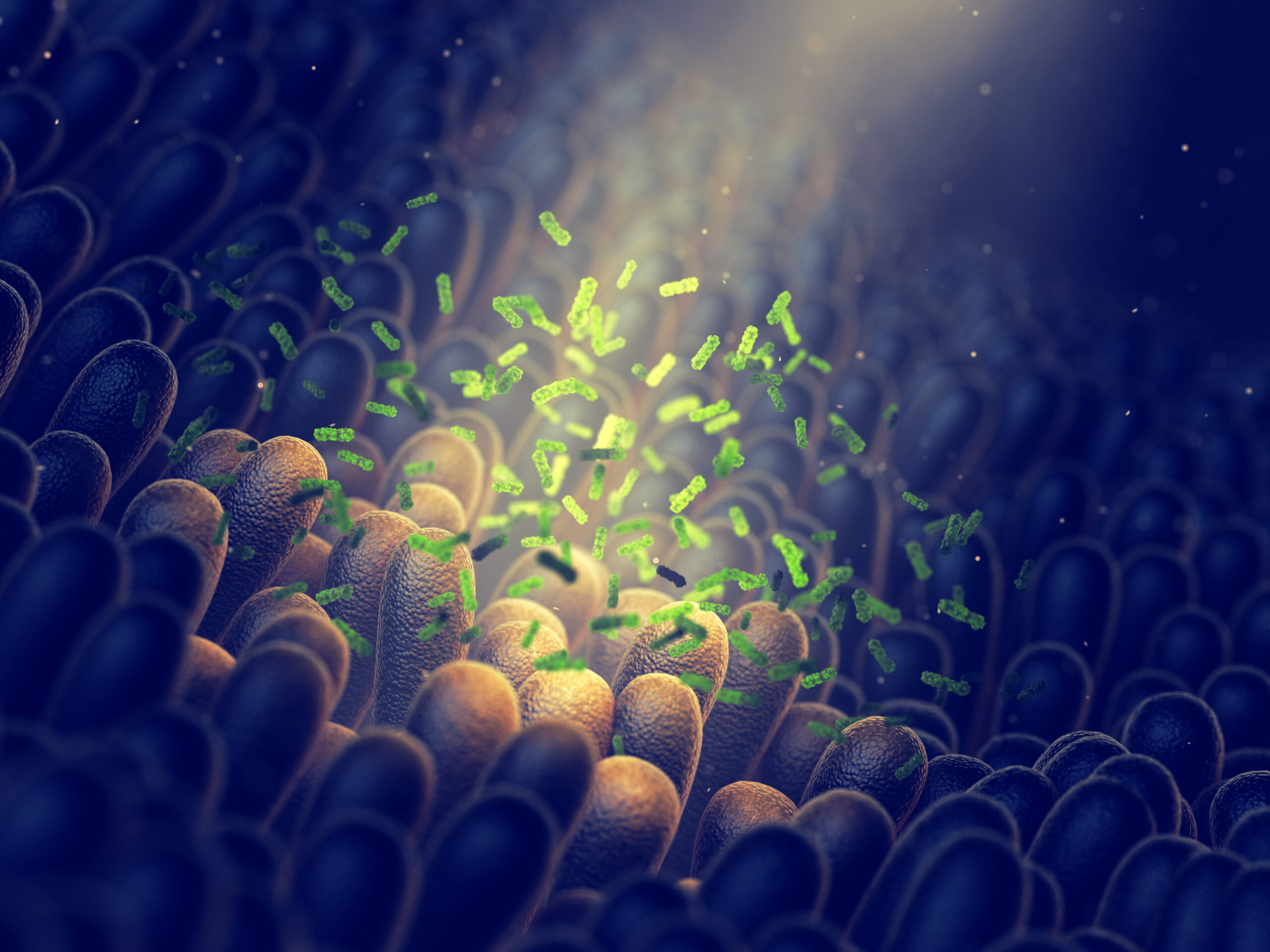
As research technology evolves, scientists are gaining deeper insight into how prebiotic fibers influence the gut microbiota. Studies using modern sequencing techniques show that fibers like inulin and oligofructose can selectively nourish beneficial bacteria such as bifidobacteria and lactobacilli, contribute to a healthy gut environment and produce beneficial metabolites. These findings help explain how microbiota changes may relate to health outcomes across systems.
Explore Further:
Connections with the gut-brain axis
Emerging science suggests that the gut microbiota communicates with the brain through chemical and neural pathways, a concept known as the gut-brain axis.
Prebiotic fibers that influence microbial activity may therefore also affect mood, cognition and stress responses, although this area of research is still developing.
In a controlled human study, daily intake of 8 grams of oligofructose was associated with measurable improvements in emotional state and self-reported feelings of depression and anxiety compared to placebo.
Participants consuming oligofructose showed a shift toward more positive feelings and improved mood, findings that suggest a potential link between prebiotic intake and mood-related pathways. While further research is needed to confirm and expand these findings, such studies highlight the possibility that prebiotic fibers may influence psychological well-being through microbiota-mediated mechanisms.

Metabolic and immune pathways
Beyond localized fermentation, prebiotic fibers may influence systemic processes such as:
- Immune responses, by modulating microbiota-associated signaling
- Metabolism and energy regulation, via microbial metabolites such as short-chain fatty acids (SCFAs)
- Hormone signaling pathways that support homeostasis
While research continues to unfold, current studies lend support to the idea that prebiotics play a role in interconnected systems beyond digestion alone.
From observations to mechanisms
As data accumulates, researchers are seeking to understand how microbiome shifts translate into measurable health differences. Animal studies, human observational work and clinical trials are helping to identify:
- Specific bacterial species associated with health outcomes
- Metabolites that may signal to distant organs
- Pathways connecting microbiota with immune and metabolic responses
This emerging evidence highlights the complexity of prebiotic fiber effects and the need for continued rigorous research.
Conclusion
Scientific interest in prebiotic fibers continues to grow, with emerging research exploring how these fibers may influence a range of systems beyond digestion. While much remains to be learned, current evidence highlights potential connections with immune function, metabolism and the gut-brain axis. As researchers refine methods and expand clinical trials, evolving science promises a deeper understanding of how prebiotic fibers like inulin and oligofructose support health in multiple ways.
References

More on Prebiotic benefits





Do you want more information about emerging science?