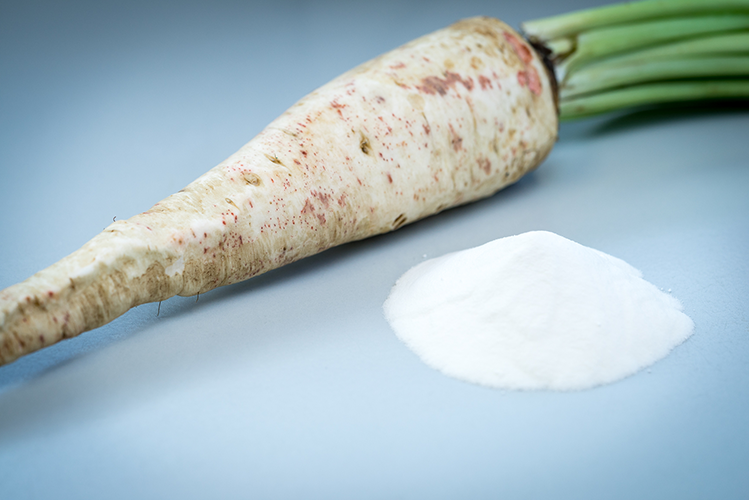
Understanding prebiotic fibers
Prebiotic fibers are a specific type of dietary fiber that nourish beneficial bacteria in the gut. Unlike many nutrients that are digested and absorbed in the small intestine, prebiotic fibers reach the large intestine intact. There, they are fermented by the gut microbiota, helping to support digestive balance, nutrient absorption and overall well-being.
Only certain fibers meet the scientific definition of a prebiotic. To qualify, a fiber must resist digestion, be fermented by beneficial bacteria and selectively stimulate their growth or activity.
Prebiotic fibers are a specific type of dietary fiber. Dietary fiber is defined as non-digestible carbohydrate that resists digestion and absorption in the small intestine and reaches the large intestine intact.
In the large intestine, prebiotic fibers are selectively utilized by beneficial gut bacteria. This selective fermentation supports targeted changes in the microbiota and contributes to demonstrated health benefits.
Not all dietary fibers qualify as prebiotics. According to the scientific definition, a substance must resist digestion, be selectively utilized by specific beneficial microorganisms, and confer a proven health benefit in humans to be recognized as a prebiotic.
How prebiotic fibers work
Once in the colon, prebiotic fibers are selectively utilized by beneficial microbes, such as bifidobacteriawhich are widely recognized as health-promoting bacteria. Through fermentation, these bacteria produce short-chain fatty acids and other metabolites that contribute to normal gut function and help maintain a balanced microbial environment.
Because of this selective interaction with specific beneficial microorganisms, prebiotic fibers play a distinct role within the broader category of dietary fibers according to the scientific definition.
Prebiotics and probiotics – understanding the difference
Prebiotics and probiotics are often mentioned together, but they are not the same.
Prebiotics
Prebiotics are substances that selectively nourish the good bacteria already present in the gut. By promoting the growth of these beneficial bacteria, prebiotics help maintain a balanced and healthy gut microbiota environment which is linked to various health benefits.
Probiotics
In contrast, probiotics are live microorganisms, such as bifidobacteria and lactobacilli, that provide health benefits when consumed in adequate amounts. They pass through the gut without becoming permanent residents.
In simple terms, prebiotics provide food for beneficial microbes residing in the gut, while probiotics are live microbes that are good for your health. Both contribute to gut health, but through different mechanisms.
Scientific definition of prebiotics
The International Scientific Association for Probiotics and Prebiotics (ISAPP) defines a prebiotic as:
“A substrate that is selectively utilized by host microorganisms conferring a health benefit.”
Following this definition a prebiotic fiber must meet these key criteria: resist digestion in the upper gastrointestinal tract, be selectively fermented by beneficial microorganisms, and be linked to a demonstrated health benefit.
Chicory root-derived prebiotic fibers
Among the different types of prebiotic fibers, chicory root–derived fibers are among the most extensively studied. The three main ingredients featured on this site include
Each of these fibers have unique structural characteristics but share the ability to nourish beneficial gut bacteria and contribute to digestive and metabolic health.
Explore the individual fibers below to learn more about their properties and physiological effects.
References
Proven prebiotics: Inulin, oligofructose and galacto-oligosaccharide
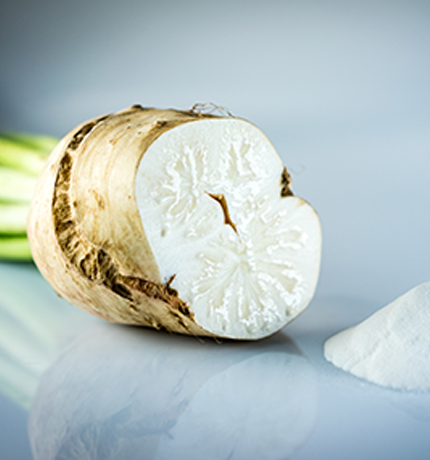
Inulin
Inulin is a soluble dietary fiber naturally found in various fruits and vegetables, particularly abundant in chicory root. It acts as a prebiotic, selectively nourishing beneficial gut bacteria and supporting overall health.

Oligofructose
Oligofructose (Fructo-oligosaccharide or FOS), a short-chain form of inulin, is a prebiotic fiber derived from chicory root. It’s commonly added to foods and supplements for its health benefits and sugar replacement.
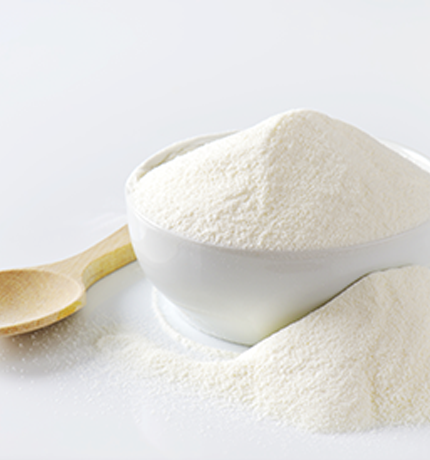
Galacto-oligosaccharide
Galacto-oligosaccharide (GOS) is a prebiotic fiber produced from lactose. It is commonly used in infant formula, dairy products and supplements to support health.
Do you want more information about prebiotic fibers?