
Synthetic fibers: Modified dietary fibers from food processing
Synthetic fibers, like resistant dextrins or polydextrose, are types of dietary fiber created through physical or chemical modification of carbohydrate sources. These fibers are designed to contribute to total fiber intake and may be added to foods to enhance their fiber content. They behave similarly to other dietary fibers in the digestive system.
At a glance
- Synthetic fibers are modified dietary fibers created through processing.
- They are added to foods to increase fiber content.
- These fibers pass through the digestive tract largely intact.
- They contribute to digestive function as part of total fiber intake.
What synthetic fibers are
“Synthetic fibers” refers to fibers that are produced by physical or chemical modification of carbohydrate sources. Examples include resistant dextrin and polydextrose that are created by heat treatment or enzymatic processing.
Unlike fibers that occur naturally in whole plant foods, synthetic fibers are intentionally added to foods to increase their dietary fiber content.
Explore Further:
How synthetic fibers behave in the digestive system
These fibers resist digestion in the small intestine and contribute to the bulk of intestinal contents. They are not broken down by human enzymes and, like other non-digestible carbohydrates, pass through the gastrointestinal tract largely intact.
In this way, synthetic fibers contribute to normal bowel function and help increase total dietary fiber intake when consumed as part of the diet.
Conclusion
Synthetic fibers are dietary fibers produced through processing and added to foods to increase fiber content. They resist digestion in the small intestine and contribute to digestive function as part of total fiber intake. Terms like “soluble corn fiber” or “soluble wheat fiber” sometimes used for resistant dextrins, may suggest direct extraction from corn or wheat. However, in practice, these fibers are manufactured through controlled chemical or enzymatic processes using starch from corn or wheat as the starting material.
References:

Prebiotic fibers
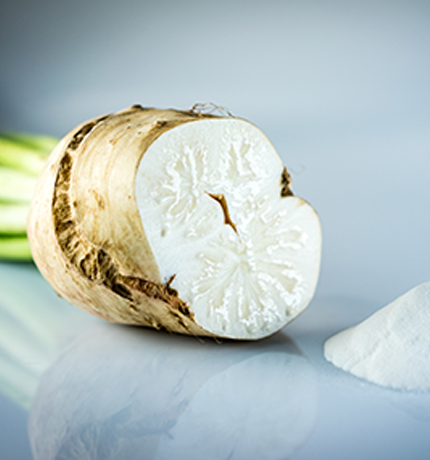
Inulin
Inulin is a soluble dietary fiber naturally found in various fruits and vegetables, particularly abundant in chicory root. It acts as a prebiotic, selectively nourishing beneficial gut bacteria and supporting overall health.
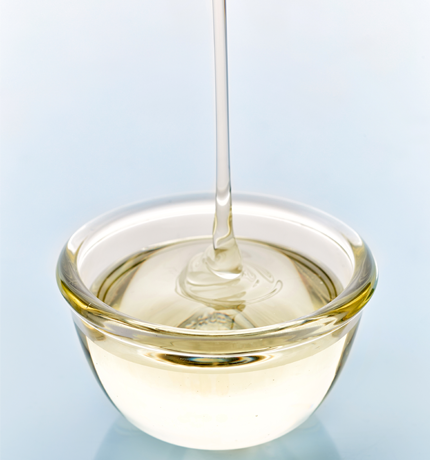
Oligofructose
Oligofructose (Fructo-oligosaccharide or FOS), a short-chain form of inulin, is a prebiotic fiber derived from chicory root. It’s commonly added to foods and supplements for its health benefits and sugar replacement.
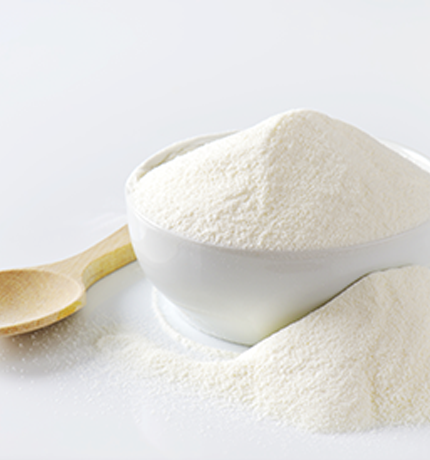
Galacto-oligosaccharide
Galacto-oligosaccharide (GOS) is a prebiotic fiber produced from lactose. It is commonly used in infant formula, dairy products and supplements to support health.
Do you want more information about synthetic fibers?