Resistant starch: Fiber-like component in foods
Resistant starch is a form of carbohydrate that resists digestion in the small intestine and behaves in many ways like dietary fiber. It passes through to the large intestine where it contributes to fecal bulk and influences digestion. Resistant starch is found naturally in some foods and can also be formed when starchy foods are cooked and cooled.
At a glance
- Resistant starch is a carbohydrate that resists digestion.
- It passes through the digestive tract largely intact.
- It contributes to stool bulk and normal bowel function.
- It occurs naturally in certain foods and forms during cooking.
What resistant starch is
Resistant starch is a type of carbohydrate that is not digested in the small intestine. Instead, it reaches the large intestine largely unchanged, similar to the way some fibers do. Because it resists digestion, it behaves more like a fiber in the digestive process.
Sources of resistant starch
Resistant starch is naturally present in a variety of plant foods, including:
- Legumes (e.g., lentils, chickpeas, beans)
- Whole grains (e.g., barley, oats)
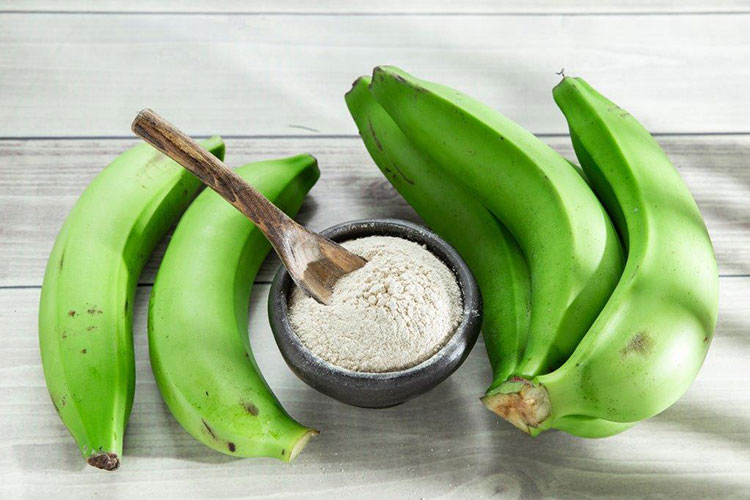
- Unripe (green) bananas
- Cooked and cooled starchy foods such as rice and potatoes
The process of cooking and then cooling starchy foods encourages the formation of resistant starch, a phenomenon sometimes referred to as retrogradation.
How resistant starch acts in the digestive tract
Because resistant starch is not broken down in the small intestine, it passes into the large intestine where it adds to the overall fecal bulk. In this way, it contributes to normal bowel movements and digestive comfort in a manner similar to some types of dietary fiber.
Explore Further:
Conclusion
Resistant starch is a carbohydrate fraction that resists digestion in the small intestine and contributes to fecal bulk and digestive regularity once it reaches the large intestine. It occurs naturally in certain foods and can form during cooking and cooling. The term “resistant starch” refers to several distinct types with different structures and properties, which means their physiological and functional characteristics can vary.

Prebiotic fibers
Inulin
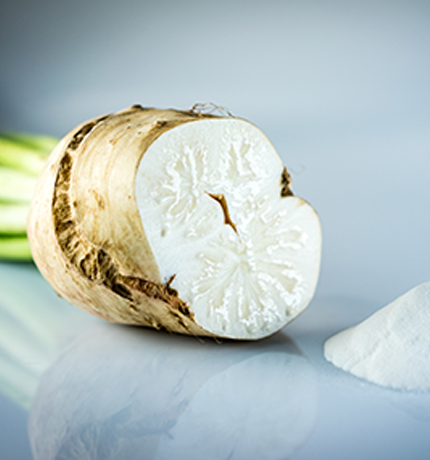
Inulin is a soluble dietary fiber naturally found in various fruits and vegetables, particularly abundant in chicory root. It acts as a prebiotic, selectively nourishing beneficial gut bacteria and supporting overall health.
Oligofructose
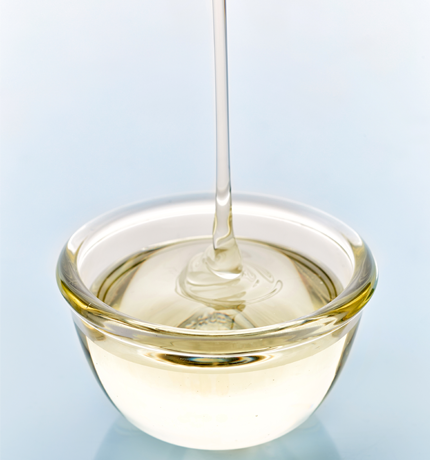
Oligofructose (Fructo-oligosaccharide or FOS), a short-chain form of inulin, is a prebiotic fiber derived from chicory root. It’s commonly added to foods and supplements for its health benefits and sugar replacement.
Galacto-oligosaccharide
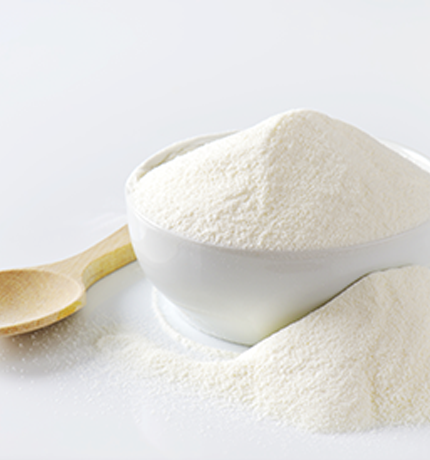
Galacto-oligosaccharide (GOS) is a prebiotic fiber produced from lactose. It is commonly used in infant formula, dairy products and supplements to support health.
Do you want more information about resistant starch?