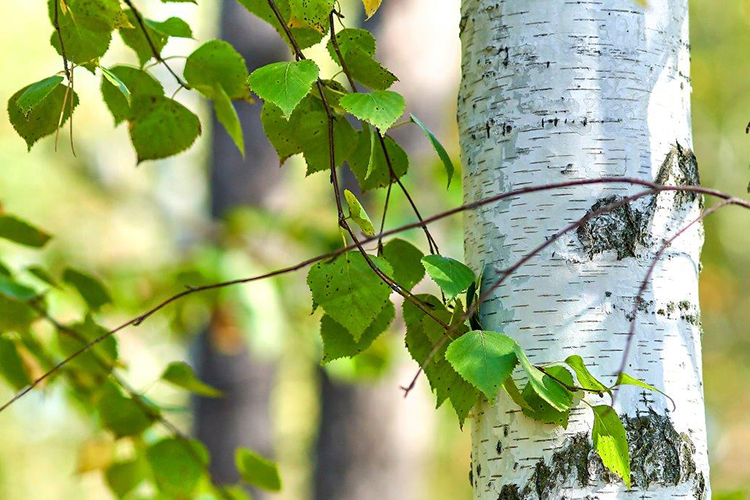
Cellulose:
Insoluble dietary fiber
Cellulose is a naturally occurring insoluble dietary fiber found in the cell walls of plants. It does not dissolve in water and passes through the digestive tract largely intact. While it is not fermented like some soluble fibers, cellulose plays an important role in digestive function and bowel regularity.
At a glance
- Cellulose is an insoluble dietary fiber present in many plant foods.
- It does not dissolve in water and is not digested by human enzymes.
- It adds bulk to stool and supports normal bowel movements.
- Cellulose contributes to overall dietary fiber intake as part of a balanced diet.
What cellulose is
Cellulose is a complex carbohydrate that makes up the structural component of plant cell walls. It is one of the most abundant organic compounds on Earth. In human nutrition, cellulose is classified as an insoluble fiber, meaning it does not dissolve in water nor is it broken down by digestive enzymes in the stomach or small intestine.
Explore Further:
How cellulose works in the digestive tract
Because cellulose resists digestion and does not form a gel, it travels through the digestive system largely intact and is not fermentable by human gut bacteria to a significant extent. Its primary physiological function is to:
- Increase fecal bulk
- Support regular bowel movements
By adding bulk to the stool and stimulating peristalsis (the muscle contractions that move contents through the gut), cellulose helps maintain normal digestive function and can help prevent constipation.
Sources of cellulose in the diet
Cellulose is naturally found in a wide variety of plant-based foods, including:
- Vegetables (e.g., carrots, celery)
- Fruits (e.g., apples, pears)
- Whole grains
- Legumes
- Nuts and seeds
Conclusion
Cellulose is a widely consumed insoluble dietary fiber that contributes to the physical bulk of the diet and supports normal bowel movements. Found naturally in many plant foods, it plays an important role in digestive health as part of a balanced intake of dietary fibers. While it is not digested or fermented in the gut, cellulose remains a valuable component of a fiber-rich eating pattern.

Prebiotic fibers
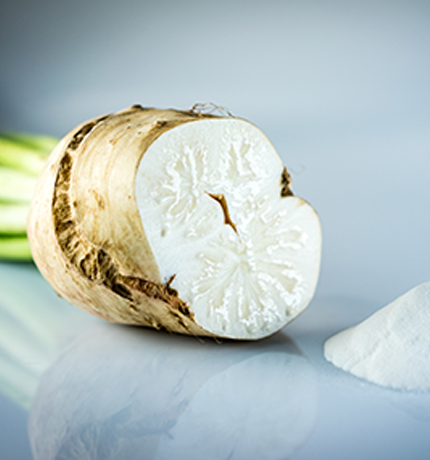
Inulin
Inulin is a soluble dietary fiber naturally found in various fruits and vegetables, particularly abundant in chicory root. It acts as a prebiotic, selectively nourishing beneficial gut bacteria and supporting overall health.

Oligofructose
Oligofructose (Fructo-oligosaccharide or FOS), a short-chain form of inulin, is a prebiotic fiber derived from chicory root. It’s commonly added to foods and supplements for its health benefits and sugar replacement.
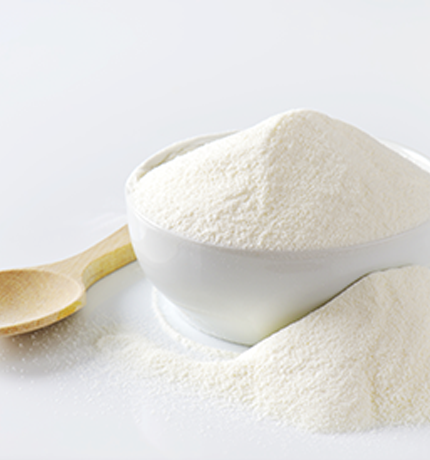
Galacto-oligosaccharide
Galacto-oligosaccharide (GOS) is a prebiotic fiber produced from lactose. It is commonly used in infant formula, dairy products and supplements to support health.
Please feel free to contact us for further information about cellulose.