Oligofructose: A short-chain prebiotic fiber
Oligofructose is a natural prebiotic fiber that supports beneficial gut bacteria and digestive health. It is a short-chain form of inulin found in chicory root as well as some vegetables and fruits.
At a glance
- Oligofructose is a soluble prebiotic fiber consisting of short chains of fructose.
- It remains undigested until it reaches the large intestine.
- There it is completely and selectively fermented by beneficial gut bacteria.
- It supports a healthy gut microbiota and offers broader health effects.
What is oligofructose?
Oligofructose, also known as fructo-oligosaccharide (FOS) or short-chain inulin, is a soluble prebiotic fiber belonging to the fructan family. Like inulin, it is not digested in the small intestine and reaches the large intestine intact.
Its short chains of fructose molecules enable it to selectively nourish beneficial gut bacteria, which is one of the defining features of a prebiotic fiber.
Explore Further:
A prebiotic fiber that feeds beneficial bacteria
Once oligofructose reaches the colon, it is completely fermented by beneficial microbes such as bifidobacteria and lactobacilli. This selective fermentation supports a balanced gut microbiota.
Through its unique fermentation, oligofructose plays an important role in shaping microbial activity in the colon.
Natural occurence and production
Oligofructose occurs naturally in small amounts in foods such as onions, garlic, leeks, artichokes and bananas. Chicory root is particularly rich in both inulin and oligofructose.
Commercially, oligofructose is produced by shortening longer-chain inulin into smaller units, using an enzyme naturally occurring in the chicory root, particularly during late harvest.
How oligofructose supports the gut
When selectively fermented in the colon, oligofructose increases the amount of beneficial gut microbes that are associated with positive health outcomes.
This bacterial fermentation also leads to the production of short-chain fatty acids, which support normal gut function.
Inulin and oligofructose from chicory root are among the few well-established and extensively studied prebiotics, recognized as the only plant-based prebiotics. Explore their scientifically proven health effects and discover who can benefit most from adding them to the diet.
Oligofructose in the diet
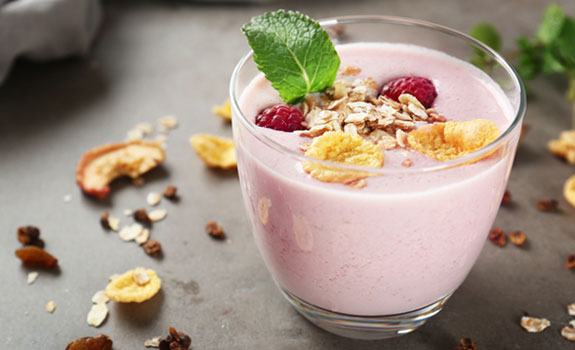
In addition to its natural occurrence, oligofructose is also added to various foods to increase fiber content. It can be found in different food categories, including dairy products, cereal-based foods and baked goods.
A word on terminology
Oligofructose, also referred to as chicory root fiber or short-chain inulin, is one form of inulin. Inulin, which specifically refers to long-chain inulin, is described in more detail here. Shorter chain fructans can also be produced from sugar. This type is called short-chain fructo-oligosaccharide (scFOS).
Conclusion
Oligofructose is a short-chain prebiotic fiber that reaches the large intestine intact and is completely fermented by beneficial gut bacteria. Through its selective fermentation and the production of short-chain fatty acids, it supports a balanced gut microbiota and normal digestive function. As a naturally occurring component of chicory root fiber, oligofructose contributes to overall well-being when included as part of a fiber-rich diet.
References

Other prebiotic fibers
Inulin
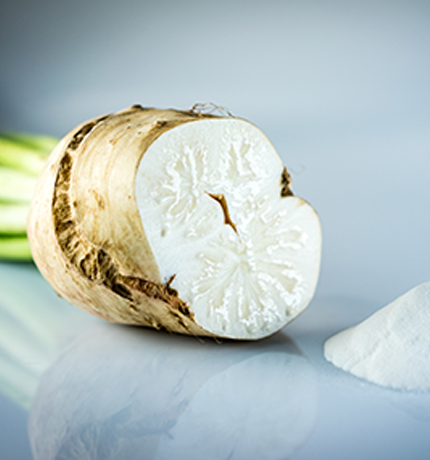
Inulin is a soluble dietary fiber naturally found in various fruits and vegetables, with particularly high levels in chicory root. It acts as a prebiotic, selectively nourishing beneficial gut bacteria to support overall health.
Galacto-oligosaccharide
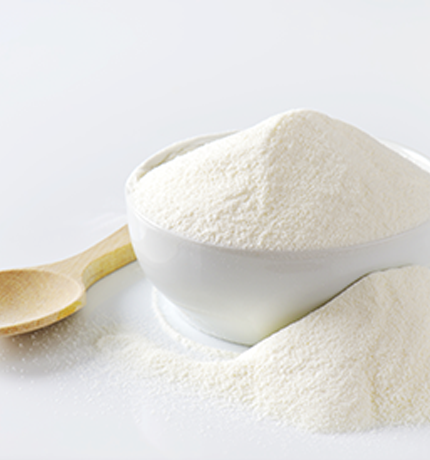
Galacto-oligosaccharide (GOS) is a prebiotic fiber produced from lactose and used in various food applications. It selectively supports beneficial gut bacteria and is commonly found in infant formula, dairy products and supplements.
Do you want more information about FOS?